
Projects & Initiatives
Africa (In Development)
Grid Stability Initiatives
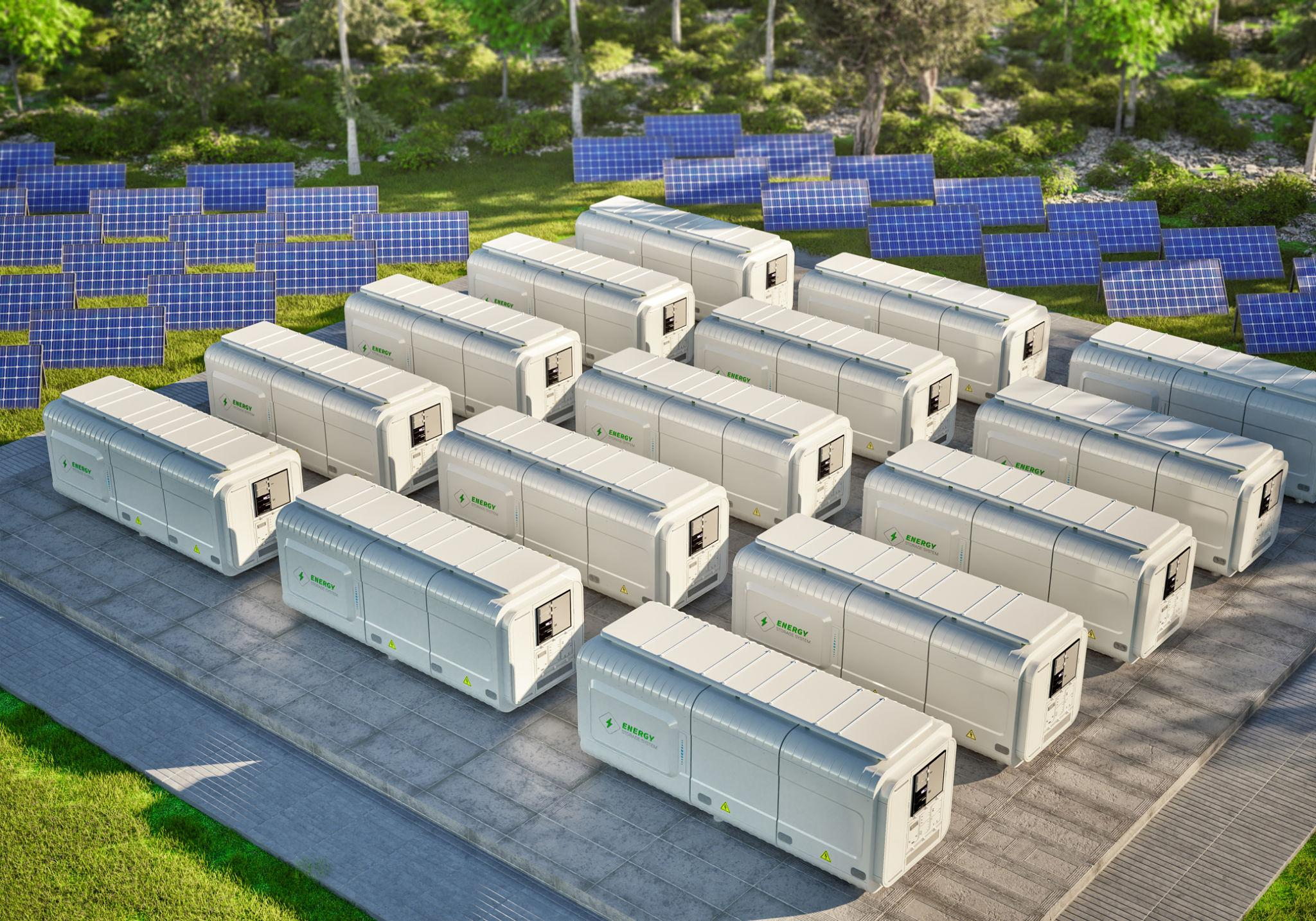
Energicom is currently engaged in early-stage development of grid stability solutions in Africa, with a focus on:
- Utility-scale battery storage integration
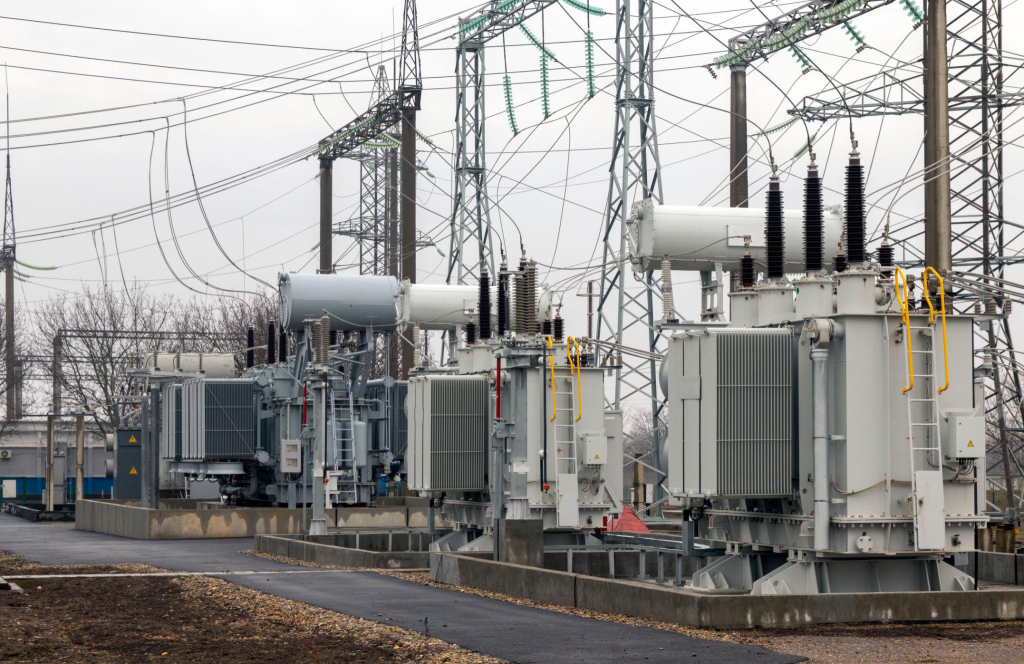
- Grid-forming inverter applications
- Collaboration with national transmission stakeholders
These initiatives are currently in development and involve ongoing engagement with relevant stakeholders and partners.
Grid Stability & Power Infrastructure – Nigeria
Energiecom is developing a grid stabilisation initiative focused on addressing persistent system instability within the Nigerian power network. Nigeria’s grid continues to face challenges including frequency instability, weak system strength, and cascading failures that can result in widespread outages. Energiecom’s objective is to contribute to a more resilient and adaptable grid through the application of modern power system technologies.
The project is currently at an early-stage feasibility and stakeholder engagement phase, with ongoing discussions aimed at aligning technical and commercial pathways for implementation. Rather than a single-point intervention, Energiecom’s approach considers a multi-layered framework incorporating energy storage, advanced power electronics, and grid control strategies to strengthen network performance and improve operational stability.
Focus Areas
- Grid resilience and stability enhancement
- Reduction of cascading failure risks
- Support for renewable energy integration into weak grids
- Improvement of system recovery capabilities following disturbances
Project Status
- Stage: Early Feasibility & Stakeholder Engagement
- Region: Nigeria
- Approval: Subject to formal alignment with relevant authorities
- Engagement: Discussions with industry stakeholders and international technology providers
australia
Solar Recycling Operations
We support the renewable energy sector by providing solar panel recycling solutions for residential, commercial, and installer clients.
Solar Panel Recycling & Circular Energy – Australia
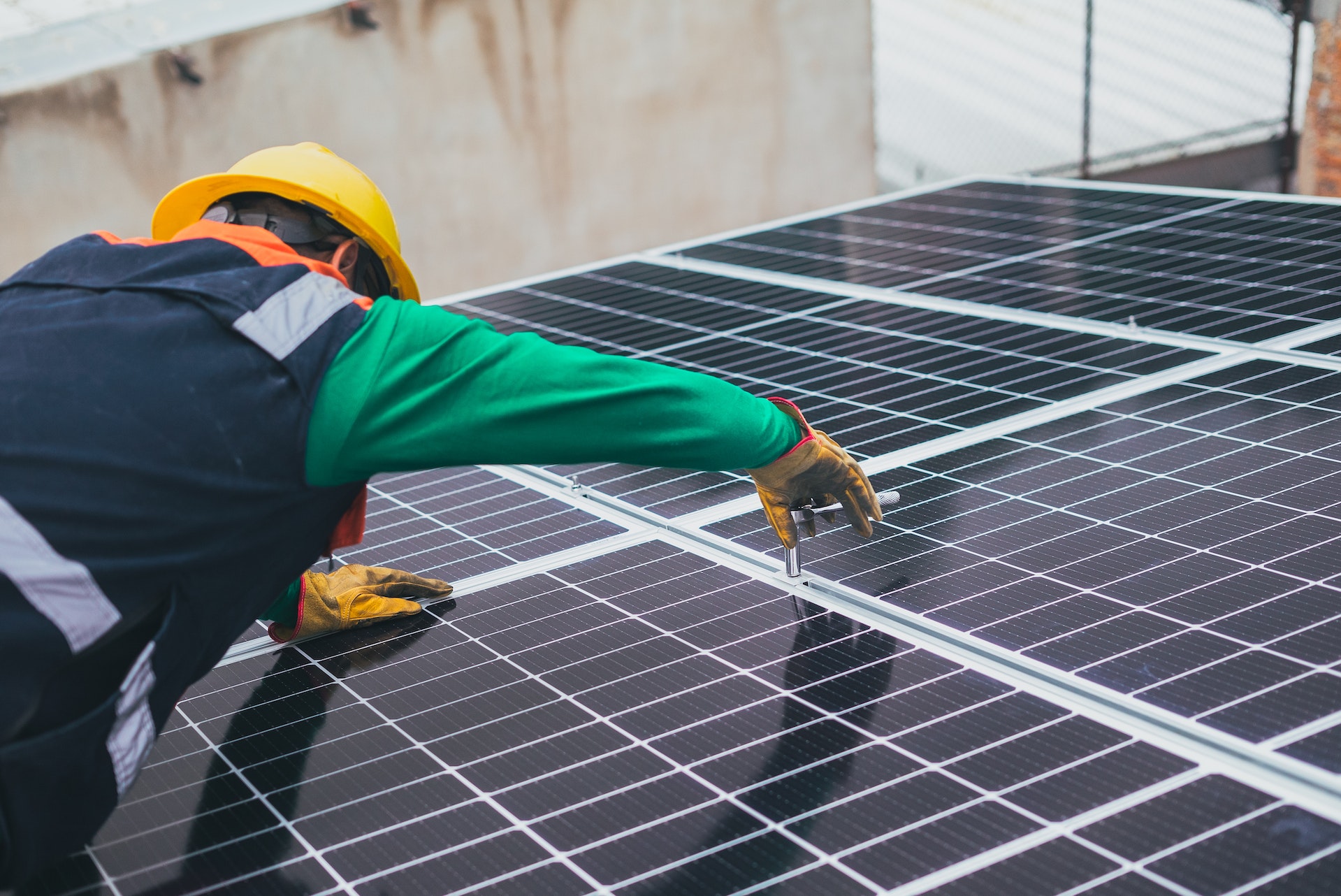
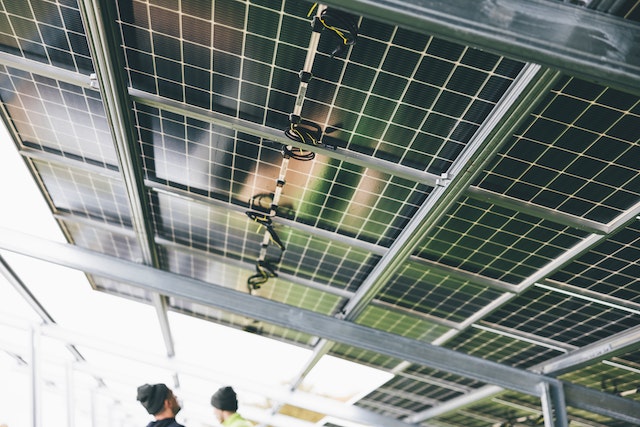
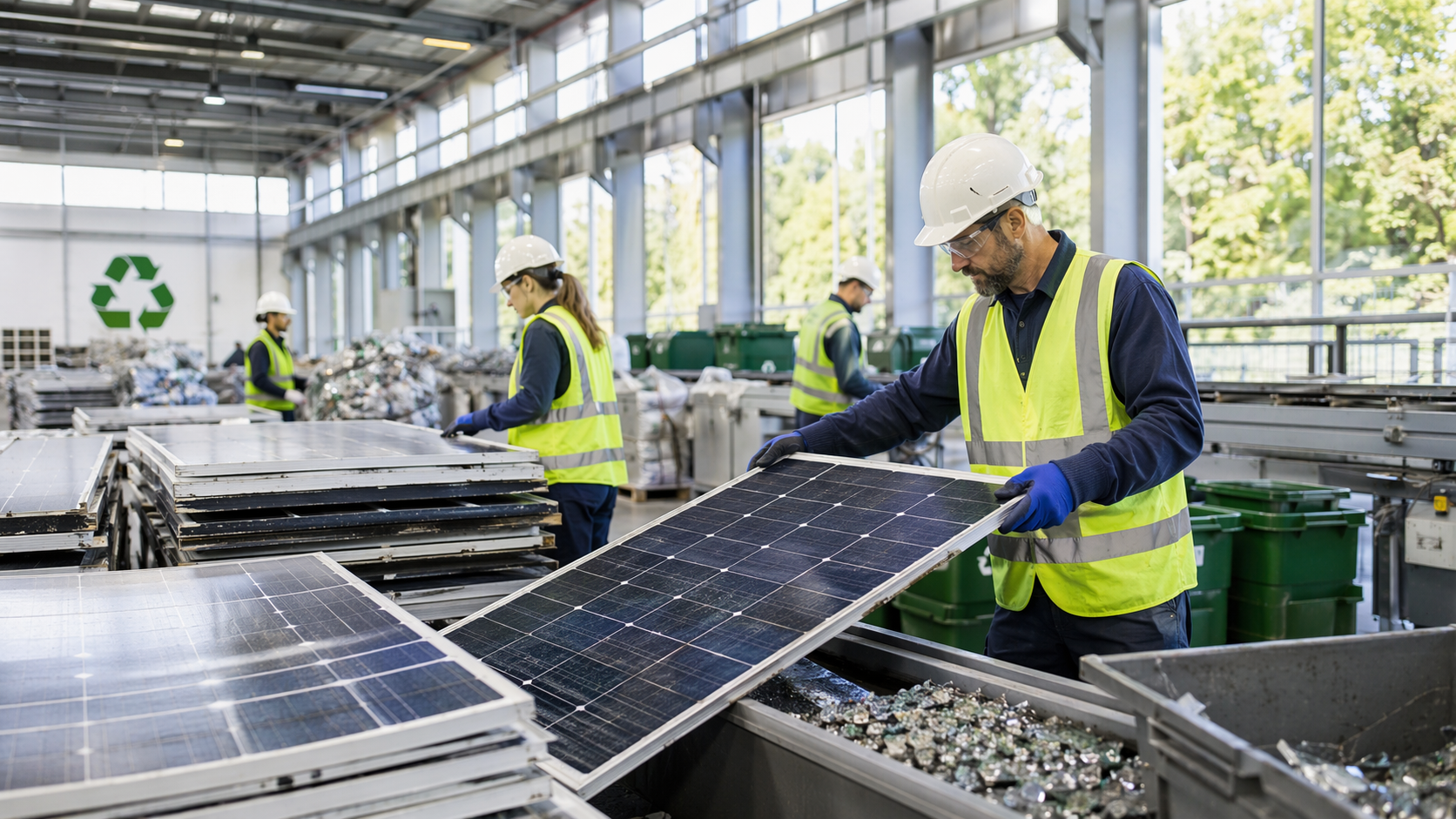
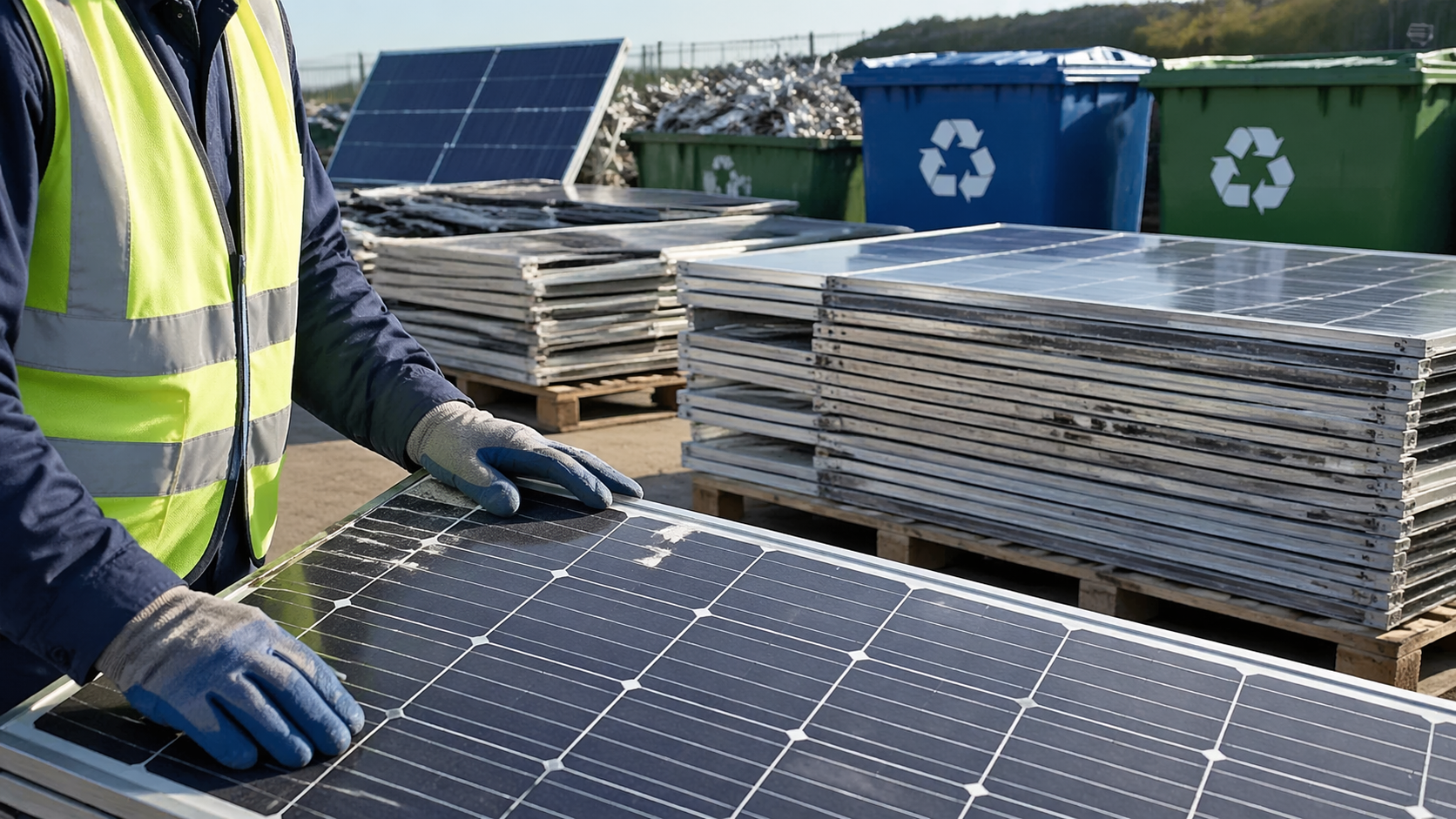
Energicom operates a solar panel recycling and recovery initiative in Australia, addressing the growing challenge of end-of-life solar assets. With Australia being one of the highest adopters of rooftop solar globally, increasing volumes of panels are approaching end-of-life. This creates both an environmental challenge and an opportunity for structured recovery and reuse.
Energicom’s recycling initiative is positioned to support a circular solar economy, ensuring that solar assets are managed responsibly while extracting maximum residual value.
Service Offering
Collection & Logistics Coordination
Facilitating the removal of decommissioned solar panels from residential, commercial, and utility-scale sites.
Recycling & Material Recovery
Processing panels through appropriate channels to recover key materials such as aluminium, glass, and other reusable components.
Asset Assessment & Repurposing
Identifying panels and components that can be refurbished or reused where viable.
Sustainability & Compliance Support
Supporting clients in meeting environmental responsibilities and regulatory expectations related to solar disposal.
Value Proposition
- Reduces environmental impact of solar waste
- Supports responsible lifecycle management of renewable assets
- Enables recovery of valuable materials
- Provides a practical solution to a rapidly growing waste stream
Project Status
- Stage: Active Operations
- Region: Australia
- Clients: Residential and commercial asset owners
- Focus: Scalable recycling and recovery solutions
Our Approach
Across all initiatives, Energiecom focuses on:
- Practical, real-world solutions tailored to actual market conditions
- Partnership-driven execution with technology providers and stakeholders
- Scalable models that can grow across regions
- Alignment with global energy transition and sustainability goals
Looking Ahead
Energiecom is building a portfolio of projects that bridge energy infrastructure development and sustainability, with a focus on delivering long-term impact across both developed and emerging markets.